Dana Schmitt · 3 October 2026
Decoding Patterns in Referral Traffic Reallocation After Multi-Site URL Harmonization Efforts
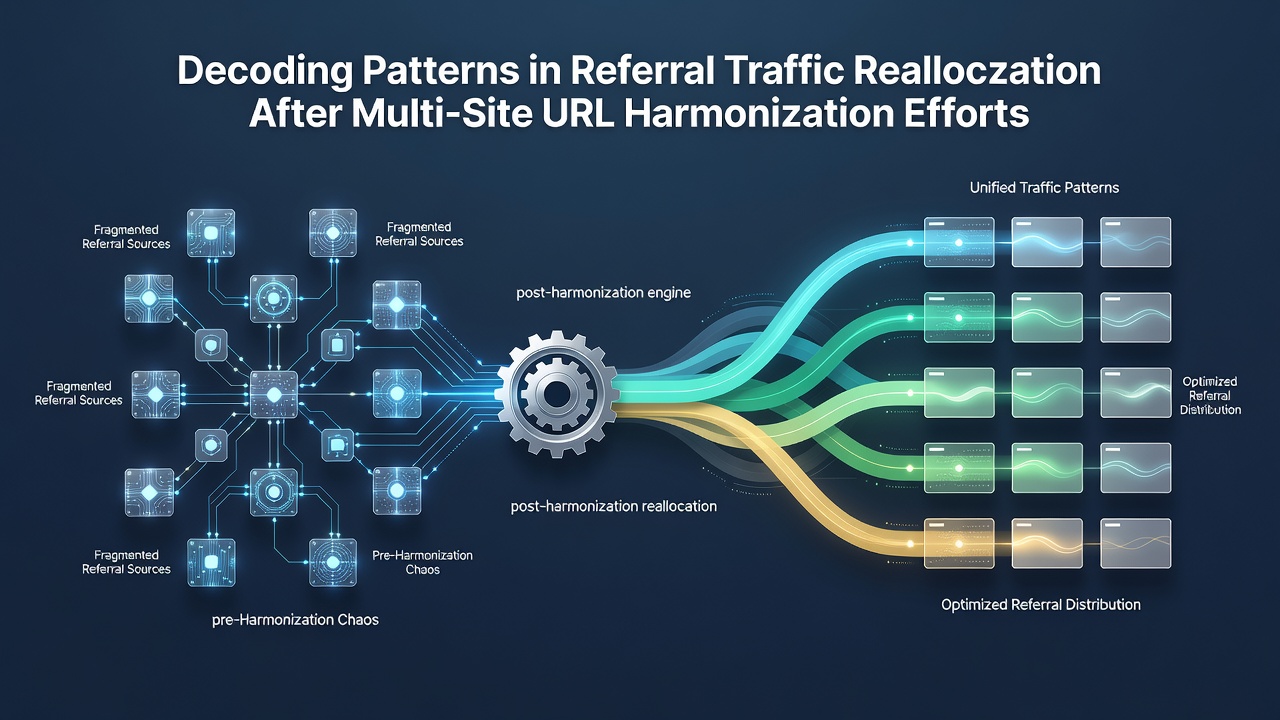
Referral traffic patterns undergo measurable shifts when organizations align URLs across multiple sites through harmonization projects, and data collected in October 2026 highlighted consistent reallocations that analysts track using aggregated web metrics. These efforts typically involve standardizing structures, implementing redirects, and consolidating duplicate content, which in turn redirects how external sites send visitors onward. Researchers at various digital analytics firms have documented that old referral paths often fade while new ones emerge based on updated indexing signals and link equity flows.
Core Mechanics Behind URL Harmonization
Harmonization projects start with audits that identify inconsistent slug formats, parameter usage, and subdomain sprawl across properties, after which teams deploy 301 redirects and canonical tags to unify signals toward preferred versions. This process consolidates crawl budgets and reduces duplication penalties that search engines apply when similar pages compete. Observers note that referral sources tied to legacy URLs experience immediate drops once crawlers process the changes, yet aggregate volumes frequently stabilize within weeks as external domains update their own linking practices. Those who monitor server logs report that direct referral strings shift toward the new canonical paths while older ones receive fewer hits because automated scripts and content management systems no longer reference outdated addresses.
Documented Reallocation Behaviors
Traffic from partner sites, news outlets, and social platforms reallocates according to several recurring sequences that data platforms capture through UTM parameters and referrer headers. High-authority domains that previously pointed to fragmented addresses tend to consolidate their outbound links onto the harmonized versions, which produces concentrated referral spikes from those sources. Lower-tier referrers, however, often continue sending traffic through cached or bookmarked legacy URLs until they receive manual updates or until search engines deprecate the old paths entirely. Studies released around late 2026 indicated that educational and governmental domains adjusted their references more slowly than commercial ones, resulting in prolonged tail effects visible in analytics dashboards for several months post-migration.
Measurement Approaches and Data Sources
Analysts rely on combined datasets from server logs, third-party analytics suites, and search console exports to isolate referral changes from organic or direct traffic fluctuations. Cross-site comparisons become essential because harmonization rarely occurs in isolation, and concurrent campaigns or seasonal events can mask underlying patterns. According to an OECD report on digital metrics, organizations that maintain detailed pre- and post-harmonization referrer matrices achieve clearer visibility into which external domains drive sustained value after consolidation. External platforms that index backlinks also reflect these adjustments, and teams cross-reference those datasets to confirm whether referral drops stem from link rot or from successful reallocation toward stronger canonical targets.
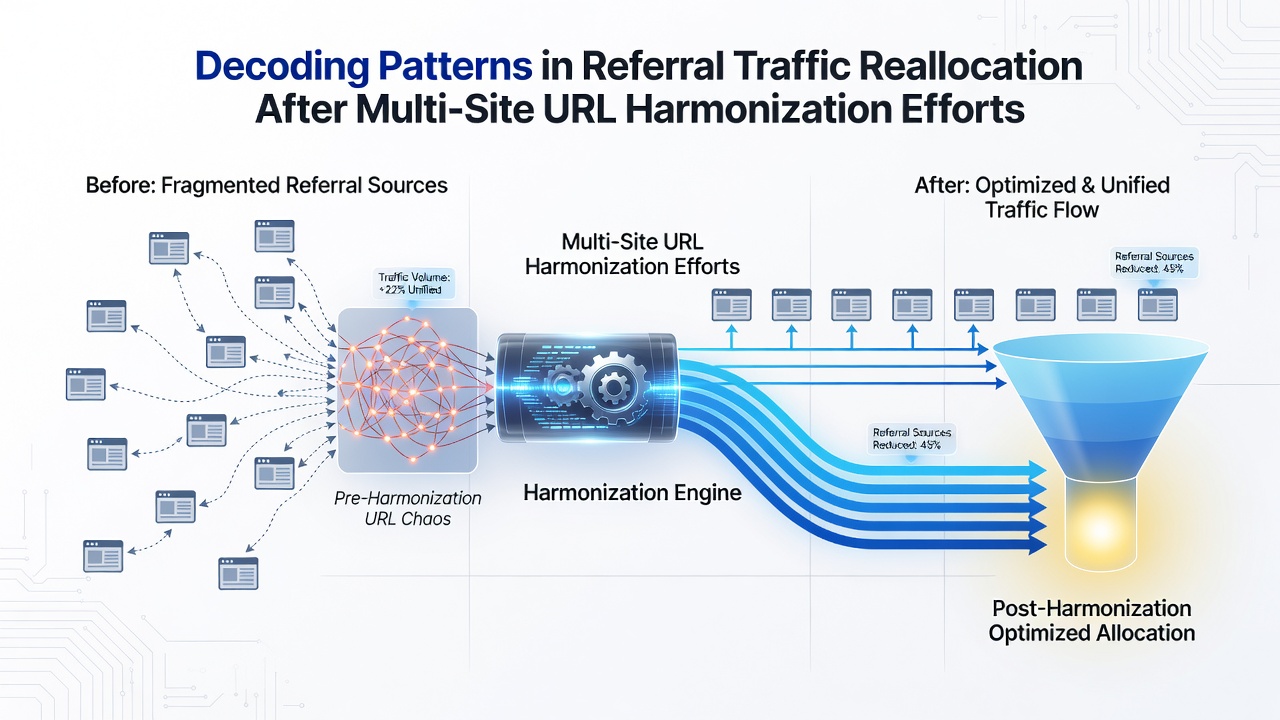
One longitudinal examination of enterprise properties revealed that referral traffic from regional news portals realigned within thirty days when harmonized URLs received consistent internal linking support, whereas traffic from forum discussions lagged until moderators updated embedded links. Data shows that mobile versus desktop referral splits can diverge during these transitions because mobile crawlers sometimes process redirect chains differently, which creates temporary discrepancies in reported volumes. Those tracking long-term trends further observe that harmonization sometimes amplifies referral quality even when raw counts remain flat, because consolidated pages attract visitors from higher-engagement external contexts.
External Factors Influencing Outcomes
Seasonal content refreshes and algorithm updates interact with harmonization timelines, which means referral reallocation rarely follows a purely linear path. Teams that schedule harmonization windows during periods of lower external publishing activity report smoother transitions, while those overlapping with major industry events encounter noisier datasets that require additional segmentation. Reports from the Australian Communications and Media Authority on digital infrastructure highlight how infrastructure-level changes, such as CDN configurations, can accelerate or delay how quickly external referrers adopt new URL structures. Geographic differences appear as well, with North American and European domains adapting at different rates depending on local hosting and content syndication practices.
Conclusion
Referral traffic reallocation after multi-site URL harmonization follows identifiable sequences driven by redirect implementation, external link updates, and indexing propagation, and organizations that maintain comprehensive tracking frameworks capture these movements accurately. Patterns observed through October 2026 data underscore the value of segmented referrer analysis that separates high-authority sources from lower-tier ones. Continued monitoring across analytics platforms allows teams to verify when reallocations stabilize and to adjust supporting tactics accordingly.